
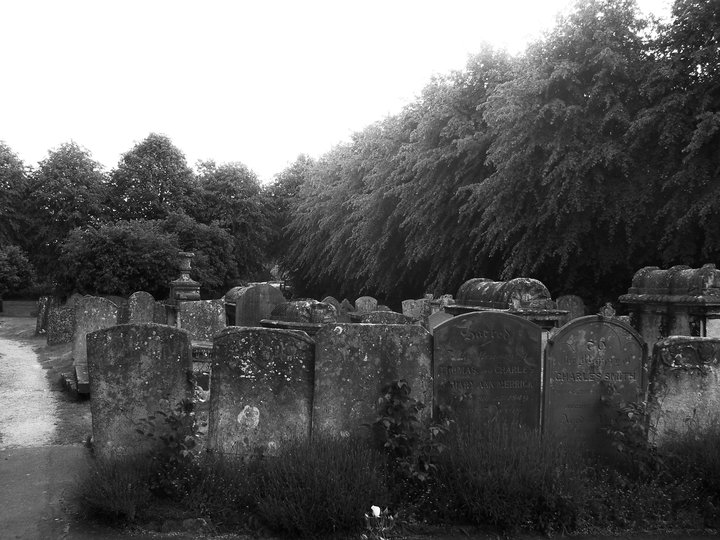
Sign Our Petition: Ensuring Access to Gravesites
Access to gravesites on private land is vital for descendants, genealogists, and historians who seek to honor, explore, and preserve their heritage. Our mission is to remove legal barriers and support respectful visits and maintenance of these important sites. Sign our Change.org petition to help restore dignity to the forgotten.
Urgent threats to burial sites demand immediate action.
Many gravesites on private lands face neglect, vandalism, or encroachment, risking loss of invaluable history and family connections. Ensuring access and protection is crucial for descendants, researchers, and communities. We believe that remembering the past is essential to healing the future. Join us in standing up for access, history, and human dignity.
The coalition is calling on:
- Descendants and relatives of those buried at Kankakee State Hospital or other state-run institutions in Illinois.
- Descendants and relatives of those buried on private property and have been denied access.
- Genealogists and historians with records or research related to state institutions or patient burials.
- Civic advocates who believe in the right to honor and remember our collective past.
If you or someone you know is affected by these restrictions, or if you would like to support the effort to pass the Kankakee Institutional History and Burial Access Act —please reach out.
Community Advocacy
Kankakee Institutional History and Burial Access Act
Read the latest draft of the Kankakee Institutional History and Burial Access Act.
Fact Sheet for Kankakee City Council
Read the Fact Sheet we put together for the Kankakee City Council meeting.
Write A Testimonial
Let your story be heard. Submit a contact form with your testimonial in the message, and we will post it.
Contact Your Representative
Find your local and state representatives. Let them know about the importance of access to burial grounds.
How To Help
If you would like to support the effort to pass the Kankakee Institutional History and Burial Access Act—please reach out.
A Brief History of Kankakee State Hospital
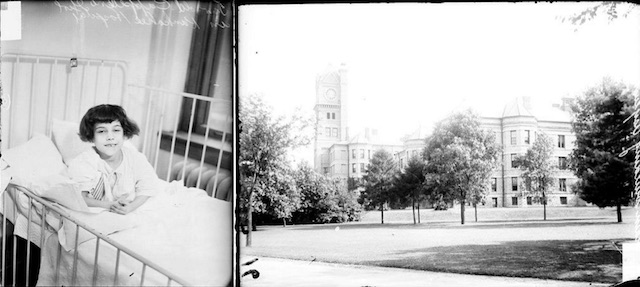
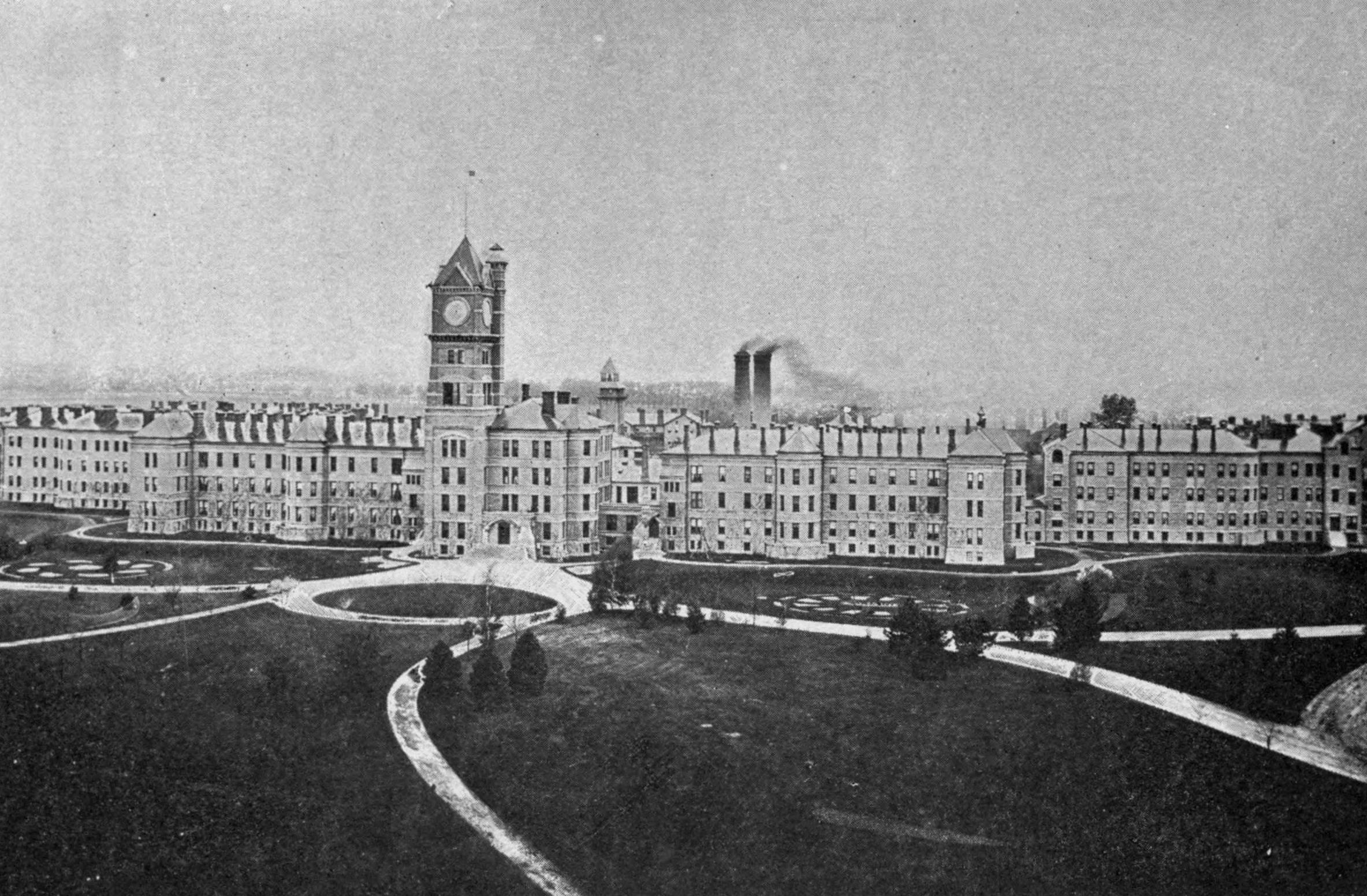
Founded in 1877 as the Illinois Eastern Hospital for the Insane, Kankakee State Hospital stood on the banks of the Kankakee River as a symbol of the state’s evolving approach to mental health care. The site was selected by a commission appointed by the Illinois General Assembly, and its early years were marked by rapid growth in both patient population and infrastructure.
By 1910, the institution was renamed Kankakee State Hospital, reflecting its expanded role in the state’s public welfare system. At its peak in the mid-20th century, the hospital housed over 4,000 individuals- many of whom lived, worked, and died within its walls, often without public recognition or family connection.
While some residents struggled with severe mental illness, many were institutionalized for reasons that today would be seen as unjust or discriminatory. Veterans with PTSD after serving their country, women experiencing postpartum depression, neurodivergent individuals, and those deemed “too emotional” or “difficult” by their families- especially women who challenged their husbands or societal expectations- were often confined without meaningful treatment or recourse. These stories reflect a broader history of marginalization, where institutionalization became a tool of control rather than care.
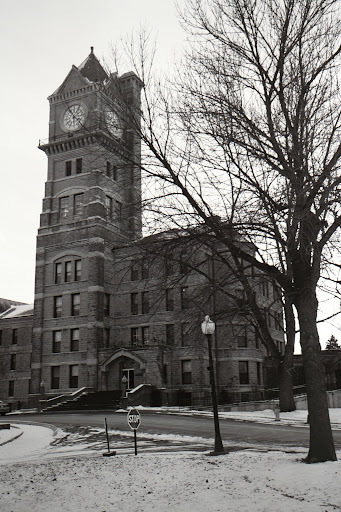
In 1974, the hospital transitioned to serve exclusively individuals with developmental disabilities, and was renamed the Samuel H. Shapiro Developmental Center in honor of the former Illinois governor. This shift marked the end of its psychiatric care era, but the legacy of those institutionalized there- especially those buried in unmarked or forgotten graves- remains a vital part of Illinois history.
Today, the site continues to operate as a state-run developmental center, but its past calls for remembrance, transparency, and justice. The Right to Be Remembered coalition seeks to restore dignity to those lost in institutional silence and ensure their stories are never erased- and no one is locked out of their own history.
 The Right To Be Remembered